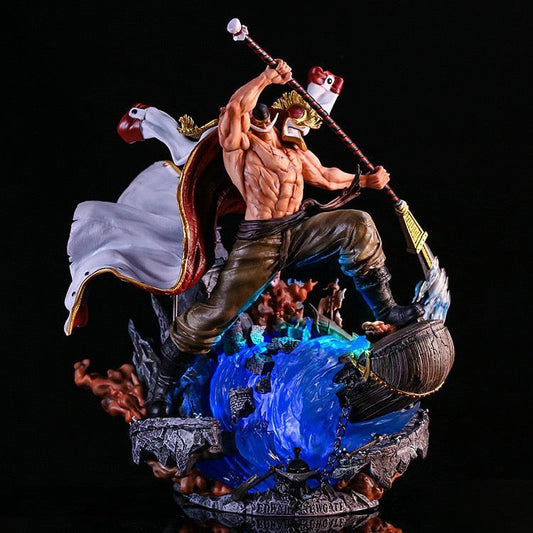
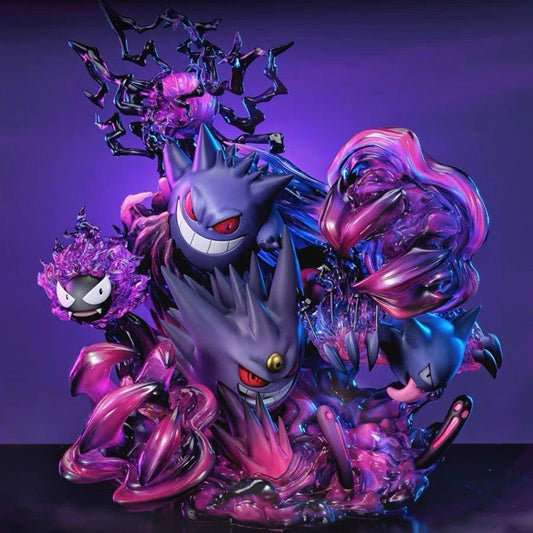
How to Identify Authentic vs Fake GK Figures: A Collector’s Guide
As GK figures become more popular, fake and low-quality replicas are becoming increasingly common. For collectors, buying an inauthentic GK figure can be disappointing—and expensive.
So how can you tell the difference between authentic GK figures and fake or poorly made copies?
This guide breaks down the most reliable ways collectors identify genuine GK figures, helping you buy with confidence.
Quick Answer
Authentic GK figures feature high-quality resin, precise sculpting, clean paintwork, secure packaging, and are sold by reputable studios or stores.
Fake GK figures often show poor details, sloppy paint, weak packaging, and suspiciously low prices.
Why Fake GK Figures Exist
GK figures are:
-
Limited in production
-
High in demand
-
Often expensive
This makes them a prime target for counterfeiters who mass-produce low-quality replicas using cheaper materials and rushed processes.
1. Check the Sculpting Quality
Authentic GK figures are known for sharp, intentional sculpting.
Look for:
-
Clean facial features
-
Defined hair strands
-
Natural body proportions
-
Smooth transitions between parts
⚠️ Warning signs of fake GK figures:
-
Soft or blurry details
-
Misshapen faces
-
Uneven or melted-looking sculpting
2. Examine the Paintwork
Paint quality is one of the easiest ways to spot a fake.
Authentic GK figures usually have:
-
Even paint layers
-
Clean edges
-
Smooth color transitions
-
No visible paint bleeding
Fake GK figures often show:
-
Smudged paint
-
Color inconsistency
-
Rough finishes
-
Obvious hand errors
3. Inspect the Material and Weight
Most GK figures are made from resin or polystone, giving them a solid, heavy feel.
-
Authentic figures feel dense and stable
-
Fake figures may feel lighter, hollow, or plasticky
If a “GK figure” feels like PVC, that’s a red flag.
👉 Not sure about materials? See our guide:
What Is a GK Figure? A Beginner’s Guide to Anime GK Figures
4. Look at Packaging and Protection
Authentic GK figures usually come with:
-
Thick foam or custom protective packaging
-
Secure placement for each part
-
Studio or product identification
Fake GK figures often arrive with:
-
Minimal protection
-
Generic boxes
-
Loose or poorly wrapped parts
5. Verify the Seller or Studio
One of the most important steps.
Trustworthy sellers usually:
-
Specialize in anime collectibles
-
Provide clear product photos
-
Offer customer support
-
Explain materials, scale, and production details
Extremely low prices or vague listings are often warning signs.
6. Compare the Price
If the price seems too good to be true, it usually is.
Authentic GK figures reflect:
-
Limited production
-
High material costs
-
Skilled craftsmanship
While discounts exist, deep price cuts on “brand-new GK figures” should raise suspicion.
Authentic vs Fake GK Figures: Quick Comparison
| Feature | Authentic GK Figure | Fake GK Figure |
|---|---|---|
| Material | Resin / Polystone | Cheap resin or PVC |
| Sculpting | Sharp and detailed | Soft or blurry |
| Paintwork | Clean and precise | Sloppy or uneven |
| Packaging | Protective, custom | Generic or weak |
| Price | Market-consistent | Suspiciously cheap |
Why Buying Authentic GK Figures Matters
Authentic GK figures offer:
-
Better display value
-
Longer lifespan
-
Higher collector satisfaction
Fake figures often deteriorate faster and provide a disappointing experience.
Final Tips for Safe GK Figure Buying
-
Research before purchasing
-
Buy from reputable stores
-
Read collector reviews
-
Don’t rush limited releases
👉 Still deciding if GK figures are right for you? Read this first:
Are GK Figures Worth Collecting in 2026? Pros, Cons, and Collector Insights
Final Thoughts
Learning how to identify authentic GK figures protects both your money and your collection. With careful inspection and trusted sellers, collecting GK figures can be a rewarding and enjoyable experience.
Tags:
Previous
Are GK Figures Worth Collecting in 2026? Pros, Cons, and Collector Insights
Next
The Ultimate Collector’s Guide to Anime GK Resin Statues: Investment, Craftsmanship, and Display Excellence