How to Clean and Maintain Your Anime Figures: The Complete Care Guide
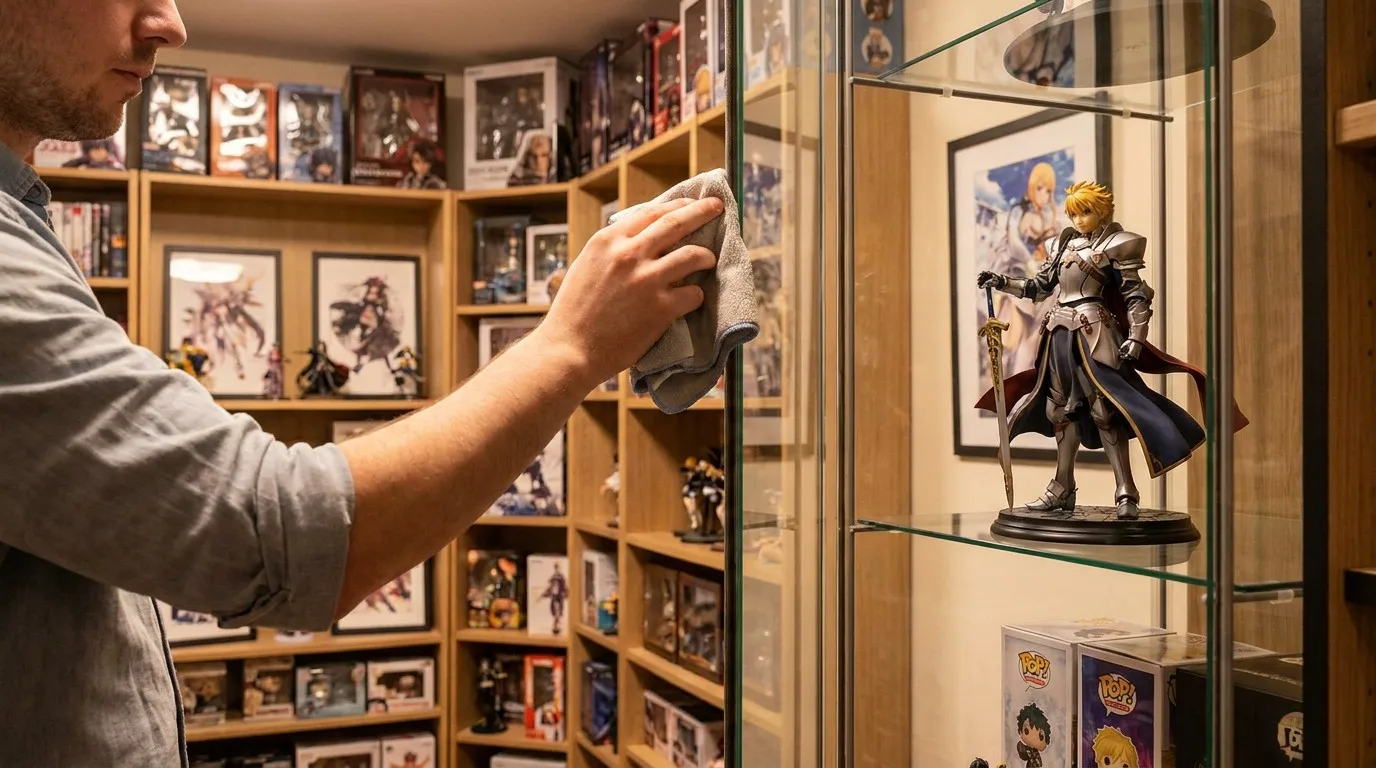
A premium anime display figure is an investment in your collection and your room. With proper care, it will look as good in five years as it does on the day it arrives. Without it, even high-quality figures can yellow, crack, accumulate permanent dust stains, or lose their finish. This guide covers everything you need to know about cleaning, maintaining, and storing anime figures to keep them in collection-quality condition.
The Golden Rule: Dust Regularly, Clean Sparingly
The most important habit in anime figure care is regular light dusting rather than infrequent deep cleaning. Dust that sits on a figure for weeks becomes harder to remove without risk of scratching or discoloring the paint. A light weekly pass with the right tool prevents buildup from becoming a problem.
Deep cleaning with any liquid product should be reserved for specific situations — not used as a routine. The more you interact with the figure using liquids or pressure, the higher the risk of unintended damage.
The Right Tools for Routine Dusting
Use one of the following for regular dusting, in order of preference:
- Soft natural-hair brush (makeup or painting brush): The best tool for reaching crevices, hair sculpts, and clothing details without touching the surface directly. Use dry only.
- Microfiber cloth: For smooth, flat surfaces like bases, platforms, and glass eyes. Use extremely light pressure and a straight wiping motion, never circular.
- Compressed air (held at distance): Useful for dislodging dust from very fine details. Hold the can at least 20cm away and use short bursts. Never use near joints, removable parts, or decals.
- Anti-static soft brush: Specifically useful in dry climates where static causes dust to cling aggressively to smooth PVC surfaces.
Never use paper towels, rough cloths, or kitchen sponges on painted surfaces. Even light abrasion can dull a gloss finish or lift delicate paint details over time.
How to Handle Stubborn Stains or Grime
For marks that do not come off with dry brushing, use the following approach carefully:
- Dampen a cotton swab or soft cloth corner with plain water only. Test on a hidden area first — the underside of the base or an interior surface.
- Use very light pressure in a straight motion, not circular. Circular rubbing creates micro-scratches that dull the surface.
- If water alone does not work, a tiny amount of isopropyl alcohol (70%) on a cotton swab can address localized stains on unpainted or hard plastic surfaces. Do not use on painted details, decals, or soft PVC parts.
- Dry the cleaned area immediately with a separate clean dry cloth.
Never use household cleaners, dish soap, acetone, or multi-surface sprays on anime figures. Even "gentle" products can strip sealant, lift decals, or cause PVC to become brittle over time.
Preventing Yellowing in PVC Figures
Yellowing in PVC is caused primarily by UV exposure and heat. It is a chemical reaction within the plastic that cannot be fully reversed once it occurs. Prevention is the only effective approach:
- Keep figures away from direct sunlight and windows that receive strong UV exposure.
- Avoid placing figures near heat sources including radiators, bright incandescent bulbs, and electronics that generate significant heat.
- Use UV-filtering glass in display cabinets if the cabinet is positioned in a room with strong natural light.
- Rotate figures out of high-UV positions periodically if you cannot avoid sunlight in the room.
White and light-colored figures are most vulnerable to visible yellowing. Dark figures yellow at the same rate but the discoloration is less visible.
Handling and Moving Figures Safely
When moving or repositioning a figure, always pick it up by the base or the thickest structural part of the sculpt — never by thin limbs, weapons, hair, or small accessories. These parts are the most fragile and most likely to snap under uneven pressure.
If a figure has removable parts — alternate faceplates, interchangeable hands, or clip-on accessories — remove them before moving the figure. Reattach them once the figure is in its new position.
Storage When Not on Display
If you are rotating pieces out of display, store them in their original product box with the original inner tray or foam. Keep stored figures in a cool, dry, dark location. Avoid attics, garages, or any space with temperature fluctuations or humidity.
For figures without original packaging, acid-free tissue paper wrapped around the figure inside a rigid box provides adequate short-term protection. Do not use bubble wrap in direct contact with painted surfaces for long-term storage — the plastic can react with PVC over time.
Frequently Asked Questions
How often should I dust my anime figures?
Once a week with a soft dry brush is the ideal routine for open shelves. Figures in glass cabinets can go two to four weeks between dustings. Never let dust accumulate for more than a month on any displayed figure.
Can I use a hairdryer to blow dust off anime figures?
No. The heat from a hairdryer — even on a cool setting — can soften PVC, warp thin parts, and accelerate yellowing. Use compressed air held at distance if you need airflow-based dusting.
My figure has a small paint scratch. Can I fix it?
Minor touch-ups are possible with acrylic model paint and a fine brush, but require practice. Test on an inconspicuous area first. For valuable or sentimental pieces, consult a professional figure restoration service rather than attempting repair yourself.
How do I clean the clear acrylic display base?
Acrylic scratches easily. Use only a soft microfiber cloth slightly dampened with water, with extremely light pressure. Commercial acrylic polish can restore minor scratches if they occur, but prevention is easier than repair.
Tags:
Previous
Anime Poster Wall Ideas: How to Design a Gallery Wall for Your Anime Room
Next
How to Choose Anime Keycaps for Your Mechanical Keyboard (PBT vs ABS)